

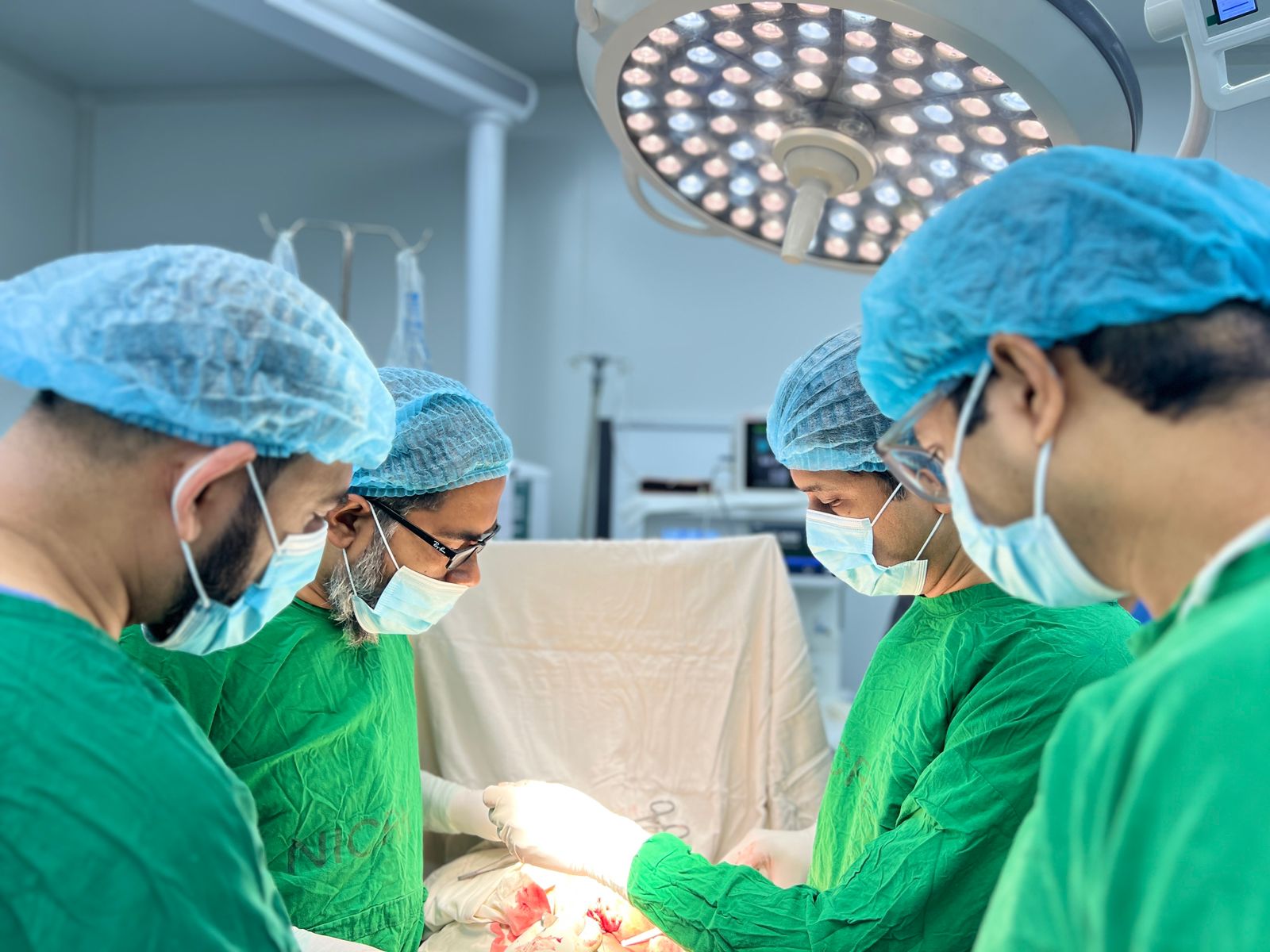
Colorectal cancer surgery is one of the most effective treatment options for cancers affecting the colon and rectum. The goal of surgery is to remove the cancerous portion of the bowel along with nearby lymph nodes, helping prevent the spread of disease and improving long-term survival outcomes. With advancements in modern surgical techniques, patients today benefit from safer procedures, faster recovery, and better quality of life post-treatment.
Understanding Colorectal Cancer and Surgical Need
Colorectal cancer develops in the tissues of the colon or rectum, often beginning as small, noncancerous growths called polyps. Over time, some of these polyps can become malignant. Surgery becomes necessary when cancer is confirmed and localized, or when there is a need to remove tumors causing obstruction, bleeding, or other complications.
Early detection plays a critical role in successful surgical outcomes. When diagnosed at an early stage, surgery alone may be sufficient to completely remove the cancer.
Types of Colorectal Cancer Surgery
Different surgical approaches are used depending on the location, size, and stage of the tumor. The most common procedures include colectomy, where a portion of the colon is removed, and proctectomy, which involves removal of part or all of the rectum.
Minimally invasive techniques such as laparoscopic or robotic surgery are increasingly preferred due to smaller incisions, reduced pain, and quicker recovery. In some cases, a temporary or permanent stoma (colostomy or ileostomy) may be required to allow proper healing.


Procedure and Recovery Process
During the procedure, the surgeon removes the affected section of the colon or rectum along with surrounding lymph nodes. The remaining healthy sections are then reconnected whenever possible to restore normal bowel function.
Recovery varies depending on the type of surgery performed and the patient’s overall health. Most patients may stay in the hospital for several days and gradually return to normal activities over a few weeks. Post-operative care includes pain management, dietary adjustments, and monitoring for any complications.
Risks and Considerations
Like any major surgery, colorectal cancer surgery carries certain risks, including infection, bleeding, or complications related to anesthesia. There may also be temporary changes in bowel habits following surgery.
However, with proper medical care and follow-up, most patients recover well and experience significant improvement in symptoms and overall health.
Life After Surgery
Life after colorectal cancer surgery often involves regular follow-ups, lifestyle adjustments, and sometimes additional treatments such as chemotherapy or radiation therapy. Maintaining a healthy diet, staying physically active, and adhering to medical advice are essential for long-term recovery.
Emotional and psychological support also plays an important role, as patients adjust to changes in their daily lives and overall well-being.
Colorectal cancer surgery remains a cornerstone in the treatment of colon and rectal cancers. With early diagnosis, advanced surgical techniques, and proper post-operative care, patients have a strong chance of recovery and improved quality of life. Consulting with an experienced surgical team ensures the best possible treatment plan tailored to individual needs.