

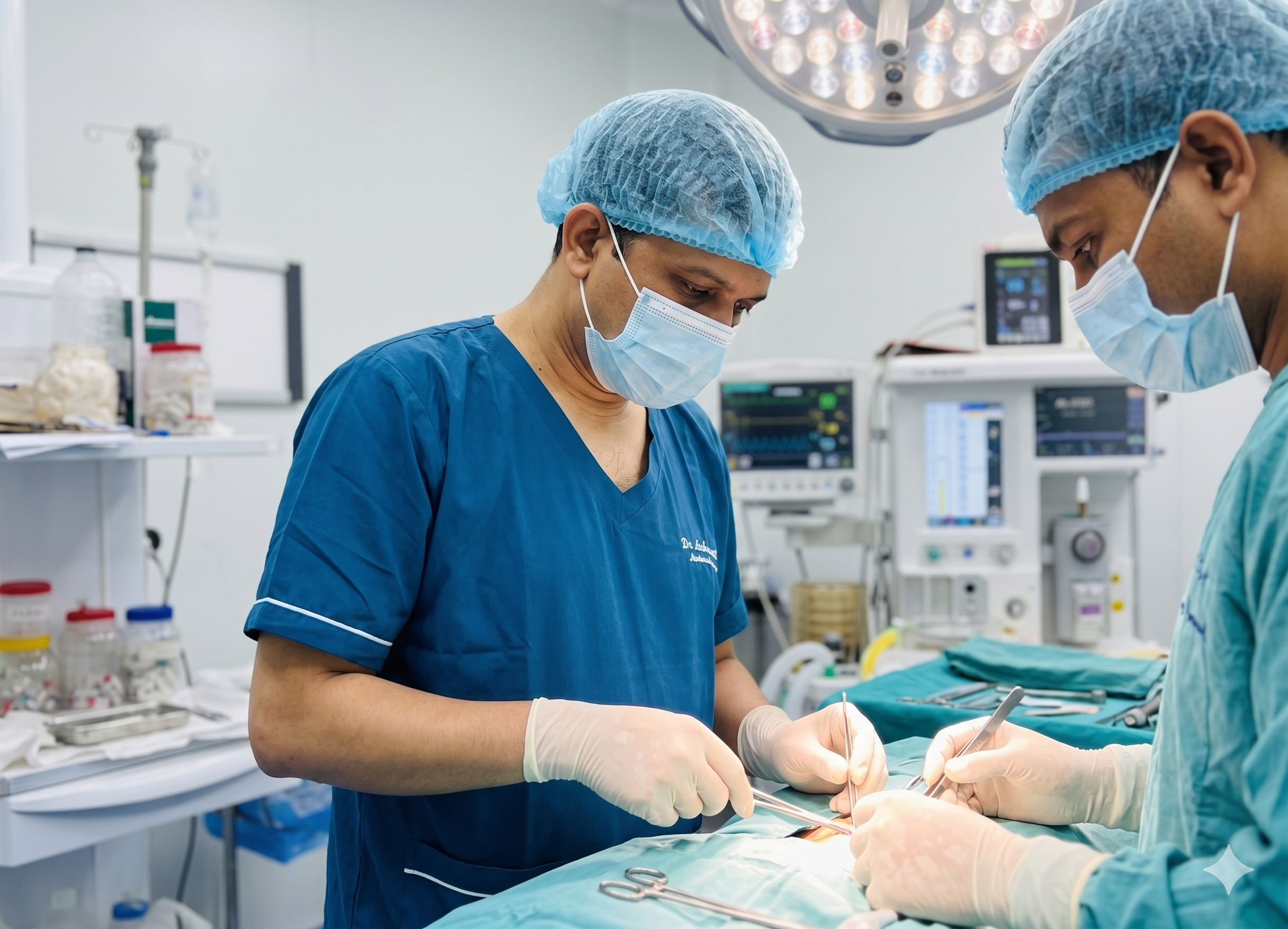
Upper Gastrointestinal (GI) cancers—primarily affecting the esophagus and stomach—require a highly specialized surgical approach. Because these organs are vital for digestion and nutrition, surgical intervention is often the cornerstone of a comprehensive, multimodal treatment plan aimed at long-term recovery.
Common Types of Upper GI Cancer Surgeries
Endoscopic Resection: For very early-stage cancers, surgeons may use a minimally invasive scope to remove the tumor without making external incisions.
The choice of procedure depends entirely on the location, stage, and size of the tumor. The most common surgeries include:
Esophagectomy: This involves removing part or all of the esophagus. The remaining portion is then reconnected to the stomach, which is often pulled up into the chest to create a new swallowing tube.
Gastrectomy: This is the surgical removal of the stomach. It can be partial (removing the cancerous section) or total (removing the entire stomach). In a total gastrectomy, the surgeon connects the esophagus directly to the small intestine.

Surgical Techniques: Open vs. Minimally Invasive
Advancements in medical technology have shifted the landscape of GI surgery. While Open Surgery is still necessary for complex cases, many patients now benefit from:
Robotic-Assisted Surgery: This offers surgeons enhanced precision and a 3D view, allowing for meticulous dissection in tight anatomical spaces.
Laparoscopic Surgery: Using small “keyhole” incisions and a camera, which typically results in less pain and faster recovery.
What to Expect During Recovery
Post-operative care is crucial for Upper GI patients. Since the digestive tract is being remodeled, patients usually follow a specific dietary progression—starting with liquids and gradually moving to soft foods.
Multidisciplinary Support: Recovery isn’t just about the surgery; it involves a team of oncologists, dietitians, and physiotherapists to ensure the body adapts to its new digestive structure and maintains proper nutrition.
Early diagnosis and a tailored surgical approach are the most significant factors in improving outcomes for Upper GI cancers. Consulting with a specialized surgical oncologist is the first step toward an effective treatment journey.